
The recent Cut Flower Grower Symposium brought together growers and floral pros from across the region (and beyond). The event was presented by the University of Georgia Cooperative Extension, Department of Horticulture and the UGA Center for Urban Agriculture. Partners for the event included UGA Cooperative Extension (Fulton County), Georgia Green Industry Association, Association of Specialty Cut Flower Growers, Southern SARE (Sustainable Agriculture Research and Education), and University of Tennessee Extension.
Hosts Dr. Bethany A. Harris, PhD, Whitney Ottinger, Gabrielle LaTora, and Rich Braman led participants through four hours of professional development and lively conversation. Cut flower farmers took a break from their growing season, logged on to Zoom, and gained valuable insights from researchers and their peers.
The symposium was valuable for new and veteran farmers alike. From discussions on daytime watering to new data on mulching practices, the ideas and the energy flowed.
Jess Neese is the owner and founder of Field & Flower, under the parent company of UAC Member In Bloom. As a cut flower grower herself, she had some great takeaways from the discussions, too. “There doesn’t have to be one singular way of doing things. There is the standard method that we learn, but there are always tradeoffs to using one method. As you get deeper into farming, you don’t follow that one standard practice. You get ideas from others and you end up doing what works best for you.”
There were also more technical presentations about stem count and crop yield. These are important conversations to have with peers in the same industry, because the data is not necessarily aggregated all in one place. There may be different crop yields projected by plug producers, seed producers, universities, and farms. Plus, yield from a certain crop may vary regionally, which makes it all the more important to collaborate with your neighboring farmers. It is difficult for Georgia cut flower growers to compare themselves to those in Washington State, for example. Georgia has a long growing season, which can be seen as a benefit. But Georgia also has heat that ramps up fast. That can be a challenge for flower farmers to identify the ideal planting and harvest times.
A longtime Georgia Urban Ag Council member, Jess Neese considers herself a lifelong learner. She benefited from this continuing education as a grower. “I had reached out to Kate, who did all the snapdragon trials. I wanted to learn more about stem yield and production. I had asked her if she would look at fall planting, pinching versus not pinching, to see what encourages consistent production.”
In the business realm, Neese has a unique perspective for cut flower farmers because she operates as both a grower and a collective. Her new business, the Atlanta Flower Collective, brings together growers from nine different farms in Georgia for one common goal: to get the blooms to market.
She learned quickly as a cut flower grower the importance of finding your niche marketplace. She recalls the times when Field & Flower juggled wholesale and retail markets. “It’s easy to track wholesale, which is designated bunches of the same flower. But retail is usually mixed bunches. So that’s harder to track. The needs of a retail customer can vary quite a bit.”
It may surprise you to learn that about 80% of all cut flowers purchased in the United States are imported. Most popular blooms come from the Netherlands, Colombia, Ecuador, and a few other countries. But despite that statistic, floriculture in Georgia is growing. In their 2022 report (the report is published every five years), the USDA Census of Agriculture State Data for Georgia measured 162 farms and $2,239,461 in sales for cut flowers and cut florist greens.
Those real, operating cut flower farms are behind the momentum for fresh, locally grown bouquets and event florals. Neese has seen Georgia grown blooms succeed in the Atlanta marketplace for a few compelling reasons.
On the wholesale side, florists are able to get a higher quality product that is more reliable. “I hear from so many floral designers that importing products these days has gotten a lot more difficult. Things get stopped at ports. Flowers are a perishable product. We’re able to offer a product that really doesn’t ship well, so buying locally is the only way to get it. You can get dahlias at a wholesaler– they’d come from California. But they’re still not quite there in terms of the quality. Georgia grown dahlias are on another level.”
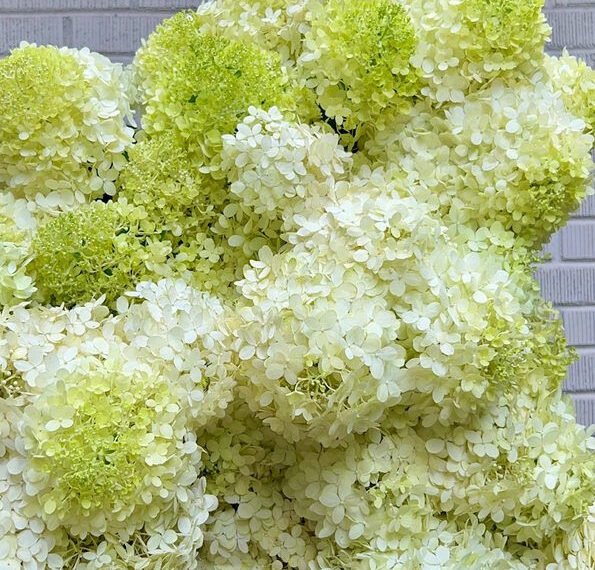
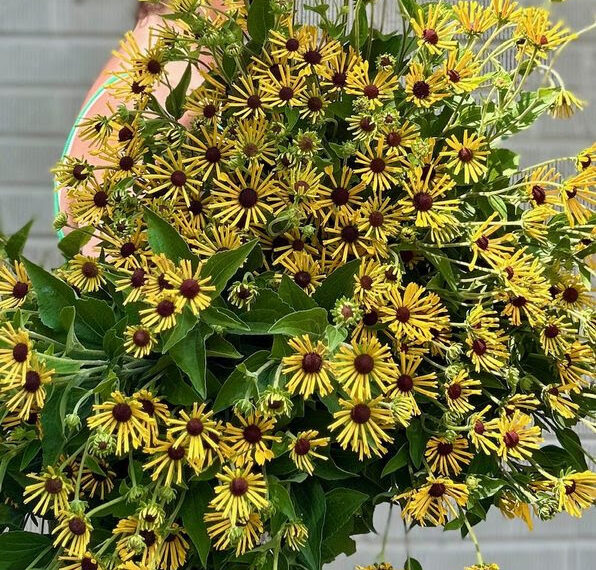
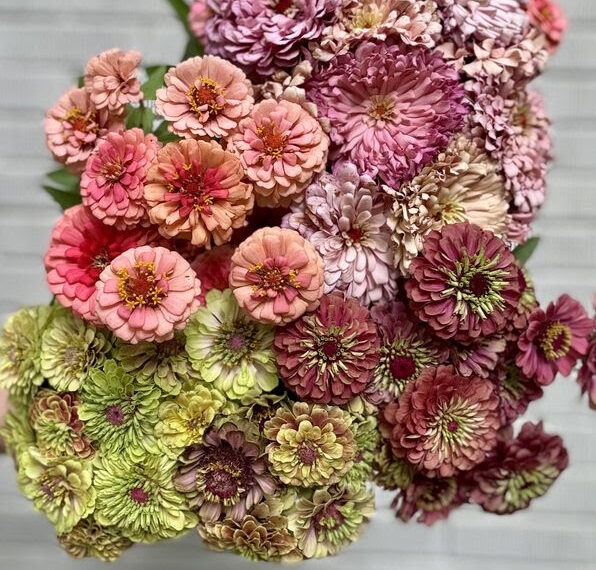
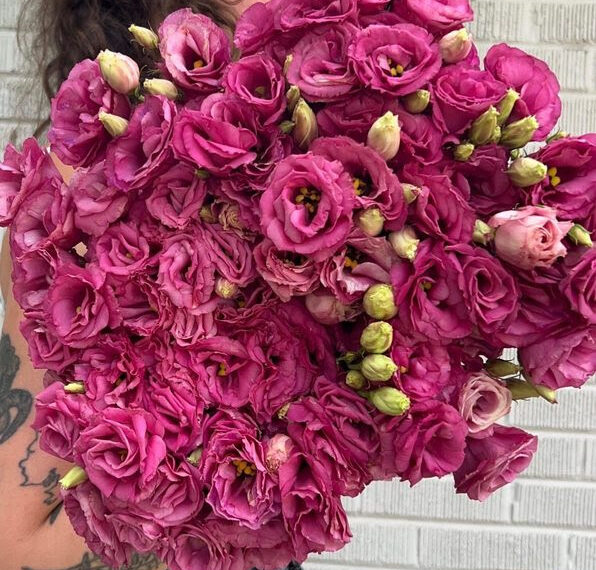
“I like to think of some flowers as ‘gateway flowers,’” Neese says. A customer may come to us knowing they have to buy X, and then they see the rest of the alphabet in the cooler and they say – ‘Wow! This stuff is phenomenal.’ Some people may think that flower farmers are just growing “wild flowers.” That’s not the case. We grow specialty cut flowers. It’s more than just Zinnias. Specialty Zinnias. Lisianthus. And more.”
Flower collectives also serve another goal: to empower growers.
Ashley Blackstone of Wellspring Flower Farm and co-owner of the Atlanta Flower Collective noted that since her farm joined the Collective, she spends less time on marketing. Delivery of the product is streamlined, meaning flowers are delivered to one location instead of several. All of this means more time to concentrate on farming. Ashley shared, “It has improved our quality of life. When you do drop off, you see the other flower farmers and you get to chit chat. That’s a nice change of pace from being out alone in the field.”
In the next 5 years, Neese would like to see more growers succeed. “I think it is going to scale up as an industry. There are established farms, there are up-and-coming farms. The buyers know that it exists, and they want it. There’s demand, and there’s supply for it. We’re just putting it together. The market exists, we’ve just got to educate and get buyers to realize what we can give them.”
As the saying goes, what gets measured gets improved. University of Georgia researchers have recently taken note of the floral purchasing habits of consumers. Agricultural economist Ben Campbell and horticulturist Julie Campbell examined the behaviors of American flower buyers and found that, beyond purchasing habits, the emotional value of flowers is measured in boosting mood, reducing stress and improving morale. With flowers now common in grocery stores, pharmacies and even gas stations, understanding buyer habits is helping growers tap into new opportunities.
Sources:
https://fieldreport.caes.uga.edu/news/cut-flower-study-campbell/
https://www.atlantaflowercollective.com/team-4
https://www.ers.usda.gov/data-products/charts-of-note/109114
