Jane Beggs-Joles, Landscape Industry Outreach Manager at Proven Winners® ColorChoice®
Fall is a great time to spruce up the spring landscape. While flowering shrubs don’t need a lot of maintenance, spending some time on them in fall will help to ensure a beautiful spring. Here are some things to consider:
- Pruning. Flowering shrubs that bloom in summer can be pruned back in fall, but it’s often better to wait until late winter. Many flowers are ornamental well into fall and winter. They also provide food for birds and other wildlife. We find that some plants like Buddleia and Hydrangea arborescens overwinter better if pruned in late winter rather than fall.
- Fertilizing. Controlled release fertilizer can be applied after the plant is dormant. Wait until after the leaves have dropped but do it before the ground is frozen. Applying fertilizer at this time will encourage root growth to continue through fall, but the plant won’t produce soft new growth that is susceptible to winter injury.
- Watering. Plants may not need as much water in fall as they do in summer, but if the roots are growing the plant will need moisture. Natural rainfall is usually adequate, but new plantings may benefit from supplemental irrigation through autumn.
- Mulch. Beds that were mulched in summer should be just fine, but adding a layer of mulch to new plantings will help them to overwinter. Remember to leave space around the crown of the plant.
- About those new plantings. Installation can go on right up until the ground is frozen. Fall planting is often easier than wrestling a fully leafed specimen into the ground in July, and the plants don’t have to work as hard as they do in hot weather. But if a plant is at the northern end of its hardiness zone you may want to wait until spring. Spring planting gives less hardy plants all summer and fall to get established, and they will overwinter better.
- Clean up. Leaf litter is a good source of organic matter and can help to insulate roots overwinter. But if foliage diseases are a concern, it’s a good idea to remove the dropped leaves from the beds. Susceptible plants include Cornus, Hydrangea, Syringa, Physocarpus, Viburnum, and Forsythia. Roses and boxwood plants should also be cleaned up thoroughly to prevent pathogens from overwintering.
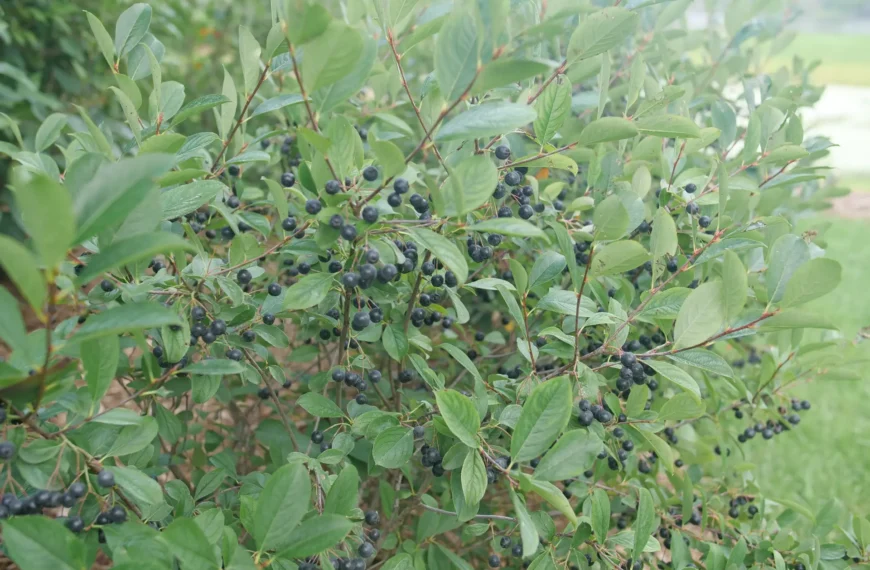
Aronia Low Scape Snowfire, native to Georgia.
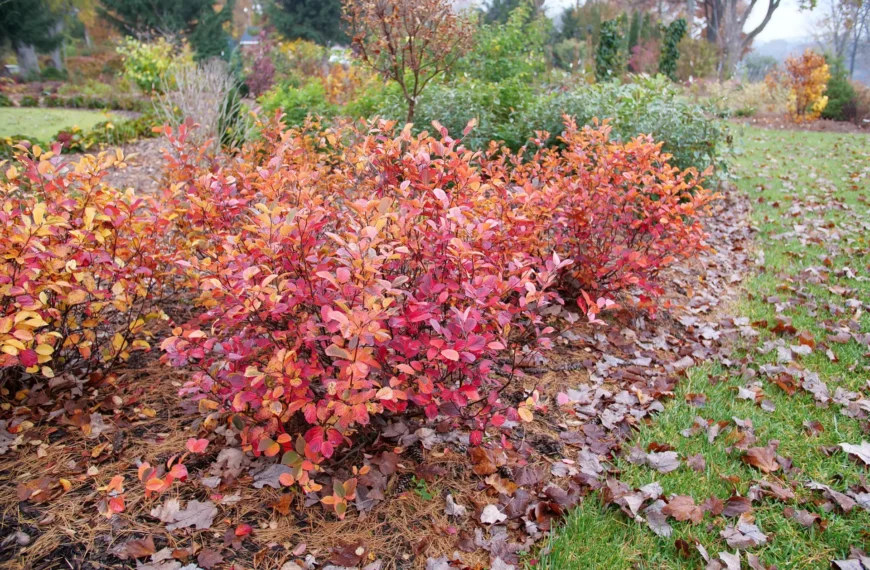
Fothergilla Legend of the Small
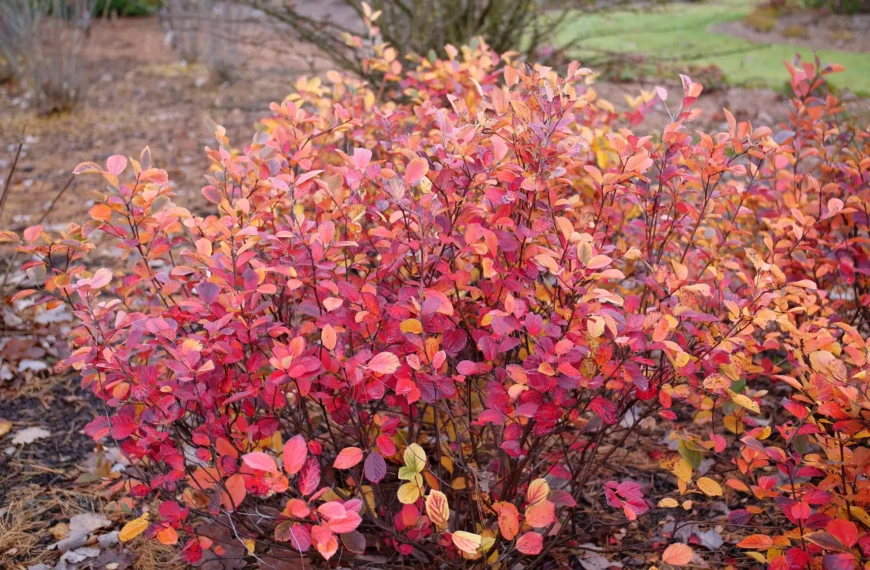
Fothergilla – an elegant native shrub that will delight clients in spring as well as fall.
Fall isn’t just for work, though. Take a look at the landscape to see what’s performing and what’s not.
- Ornamental fruit. If you were expecting fruit but don’t see any, here are a few potential reasons:
- Is there a pollenizer nearby? Ilex need both a male and female plant to produce fruit. If the male was mislabeled or died, the female plants won’t produce fruit. Other plants are monoecious (both male and female parts on the same plant) but need two different cultivars to produce a good fruit set.
- Weather. Windy or rainy conditions during pollination can reduce fruit production.
- Improper pruning. If the flower clusters were removed, so were the berries.
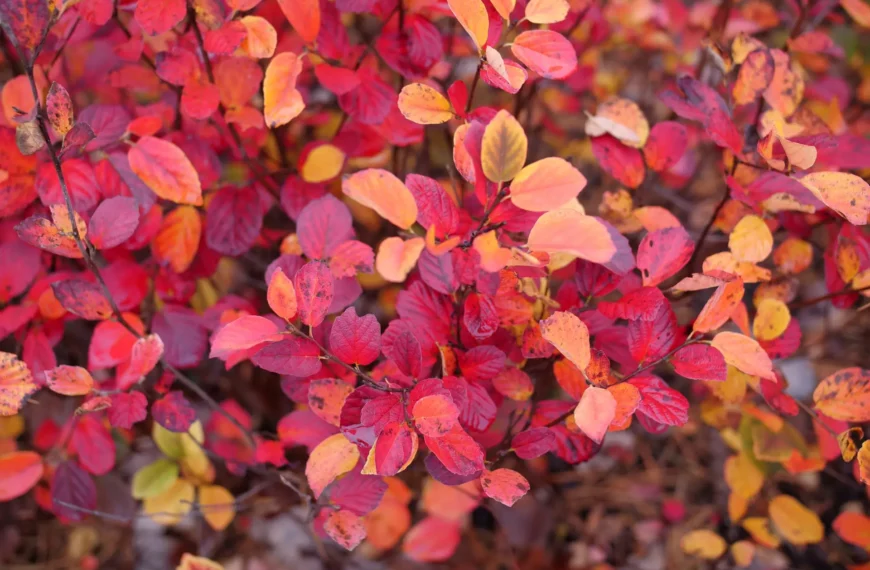
- Foliage color. Many plants are known for their vibrant color, but if they are in shade they won’t have the best fall foliage. Weather can affect color, too. Warm, sunny days and cool nights are best for color development. Regular rain or irrigation during the summer followed by a drier fall will also optimize fall foliage. Drought can prompt plants to color up earlier and drop their leaves without putting on a good fall foliage display.
- Flower color. Hydrangeas generate the most questions. Consumers see the beautiful pinks and reds of H. paniculata and H. quercifolia flowers online, and then the ones in their yards are brown. That’s because of high night temperatures. If there is a period of very warm nights in later summer the flowers will turn brown rather than transforming to pink and red. Unfortunately there isn’t anything to be done about the weather, and neither irrigation or fertilizer will keep this from happening. Planting several varieties with different bloom times is the best strategy.
While the DIY homeowner may have a yard that reflects what was blooming during a May trip to the garden center, a professionally designed landscape should look great every month of the year.
Here are some good plants to add to your projects if you want to add a fall color to your designs:
- Fothergilla – an elegant native shrub that will delight clients in spring as well as fall.
- Viburnum – the fall classic. Some have colorful fruit, and others rich fall foliage. A few, like V. nudum, have both.
- Hydrangea quercifolia – while the species can get quite large, dwarf varieties fit easily into almost any landscape. Some have been selected for their exceptional foliage as well as size.
- Callicarpa – Beautyberry lives up to its name with abundant purple berries in late summer and fall. It is self-fruitful.
- Aronia – both red and black aronia (A. arbutifolia and A. melanocarpa) are native to Georgia. Bright red fall foliage and showy fruit make them appealing to both people and wildlife. They’re a rugged choice for mass plantings.
- Pyracomeles – a newer hybrid of Pyracantha and Osteomeles, drought-tolerant Berry Box® produces a heavy crop of bright red berries in fall.
Fall can be a busy time with clean up, installations, and holiday enhancements. But it’s time well-spent and can alleviate some of the pressure in spring.