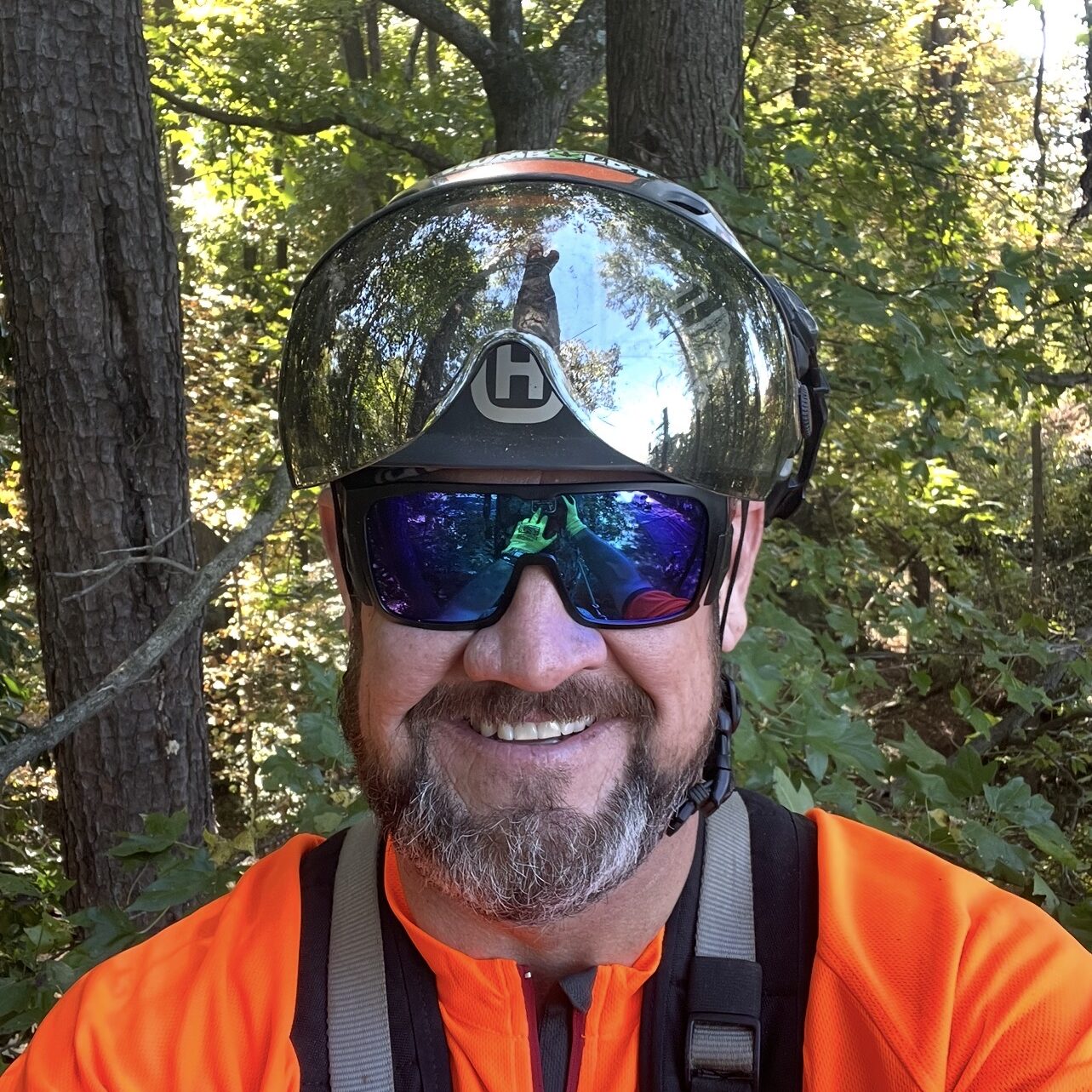
I recently attended and passed a Prescription Pruning Qualification course in Fort Myers, Florida. This class is conducted by the Florida Chapter of the International Society of Arboriculture (ISA) and was created by Dr. Ed Gilman. When I returned home, this training caused me to slow down and really look at trees a little deeper than before. We all get into the rat race of production work and before you know it, it seems like you’re knocking out proposals as quickly as possible to keep the proverbial cheese thrown to the mice on the wheel.
Dr. Gilman’s course aims to develop a new industry paradigm whereby no tree – or group of trees – is pruned without a prescription. The goal here is to improve communication between the prescriber, production arborist and tree owner. An added bonus is to increase clarity when preparing work orders.
Continuing education has a way of turning your gears. This course prompted me to consider the most glaring issues that I have seen in my almost forty-year career in the green industry. I should state that I am not a Landscape Architect, an Engineer, or even an author– but I am a certified arborist. I have worked for the (at one time) largest landscape firm in the Southeast, as well as the largest respected tree care companies in the Atlanta area.
Candidly, many of the problems I see daily could have been solved at the outset if all parties involved were able to sit down together at the planning table. Many of you may be laughing at such a crazy idea! Imagine the size of the conference table if they brought all parties in at one time. The landscaper is usually thrown a set of plans and asked to bid on the design with no room for input. The arborist, on the other hand, is usually not consulted until the project is complete and the trees are beginning to mature. The majority of what I am referring to, in this case, is new projects with new trees being added. Saving mature trees from demolition is an entirely separate issue that we can explore later. We aren’t usually called in on those until the bulldozer is sitting under the canopy of the trees to be spared.
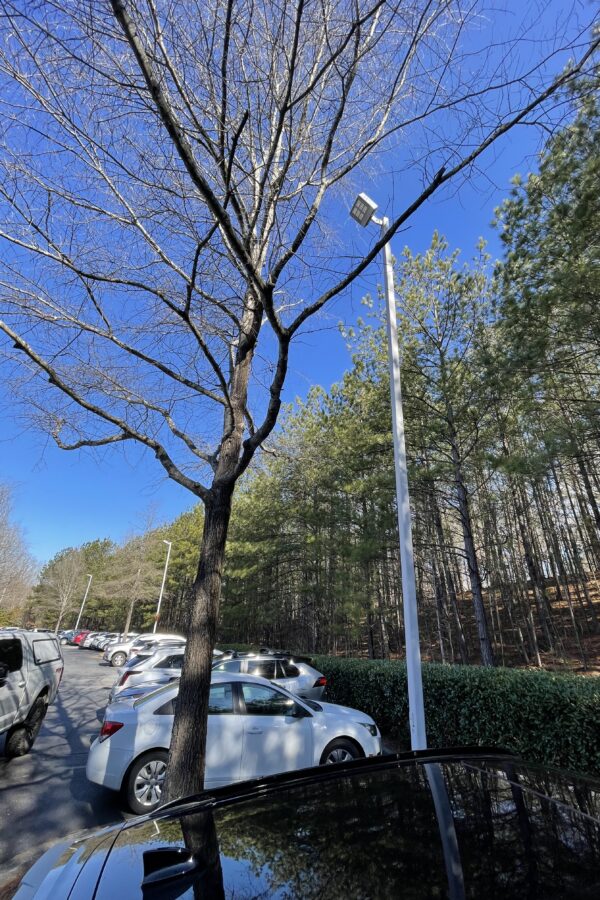
In the light pole photos, the problem is clear. Just a few feet away from the light, we have a large yet still very young Oak tree. The tree has been pruned, as correctly and carefully as possible, to not totally destroy the canopy, but still provide sufficient light to reach the parking lot below. We have all heard the lawyer commercials on the radio and television saying, “Have you been hurt on a commercial property?” Trust me, the property managers and on-site engineers have heard those commercials too. They know that if someone on the property gets hurt or assaulted due to the parking lot not being well lit, the responsible party may have to write a sizable check. The City Arborist and the City planning board may have mandated that X number of trees be planted for X amount of asphalt. The lighting engineers may have designed the property so that they would have light to light coverage. These folks design lighting specifically so that wherever the light from one light pole stops, the light from the next pole picks up. The problem is that these two parties never have a discussion together. The plans show a tree to be planted on this small island. Rest assured, that is where that tree will be planted! We all know that if you deviate from the plans, you might not get fully compensated upon completion.
My pragmatic thinking (remember, I’m not an engineer) says that if we could plant the Oak tree towards the back of the parking lot island, then we could install the light pole with an extended neck on the front side of the tree and closer to the actual parking lot. That way, we could then keep the tree pruned in a somewhat arboriculturally correct manner and still allow the light to shine onto the parking lot below.
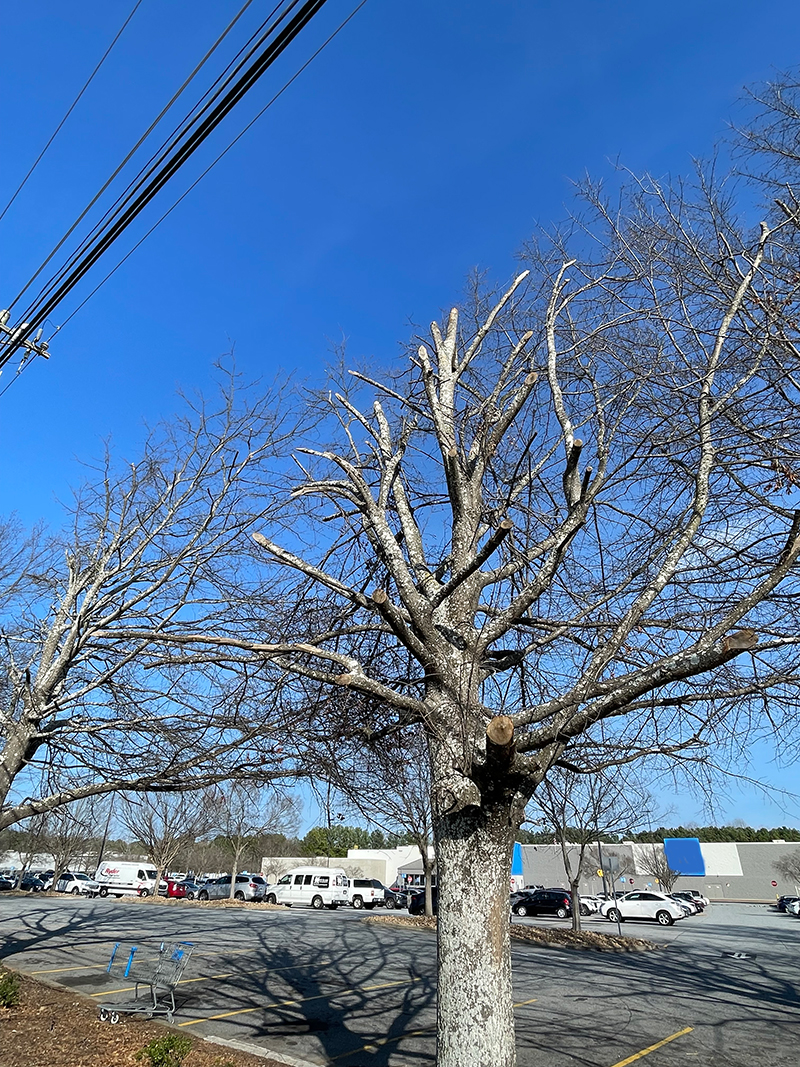
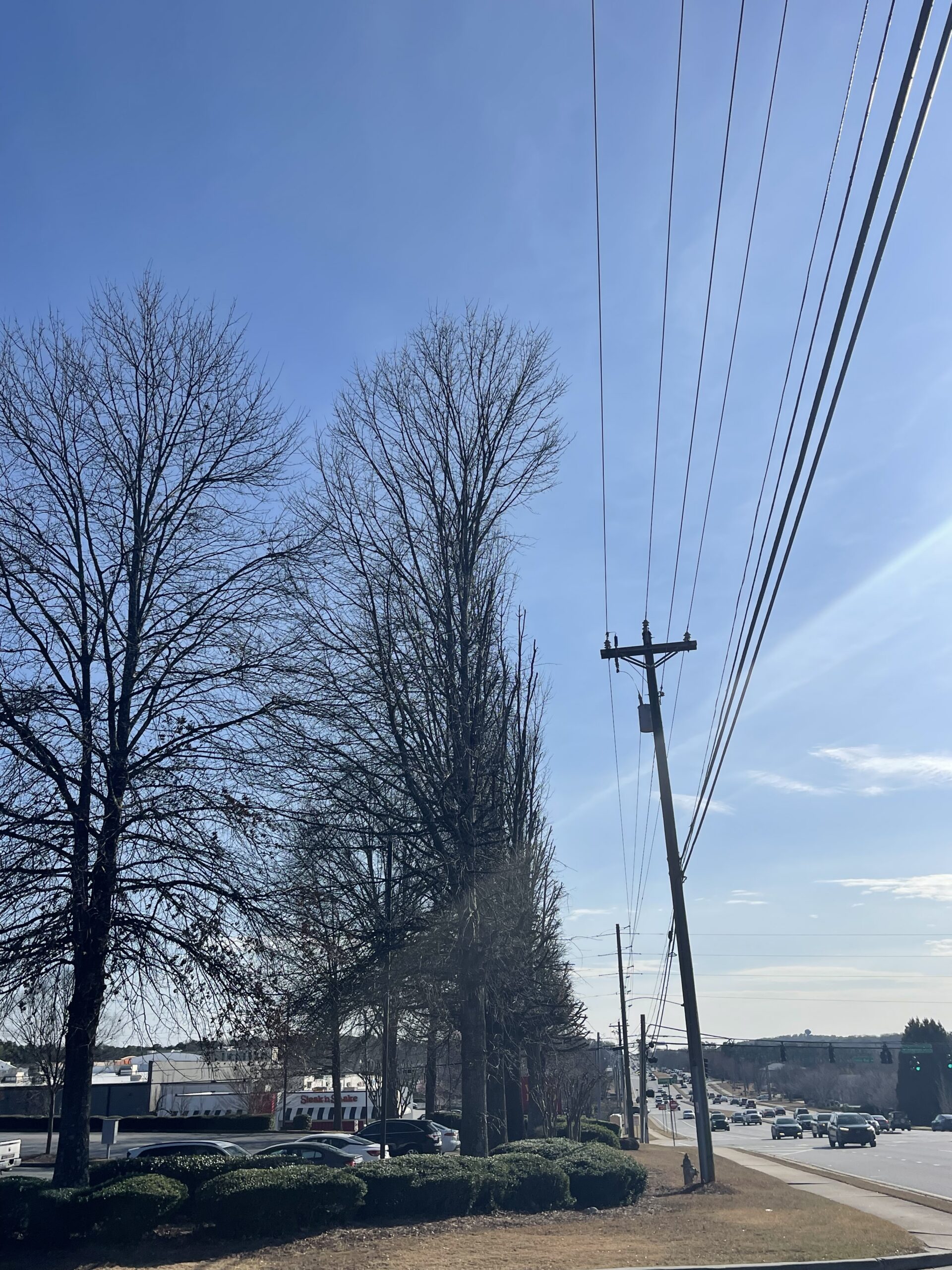
In the photo above, we see some seriously deformed Oak trees, along the front of a major shopping center. Granted, these trees have been here for quite a few years, but so have the utility lines above. It is likely that the utility lines were in place at the time the trees were planted (as well as the time the plans were drawn up). It’s difficult to say who was at fault for this idea. It is easy to criticize the project after completion, but it sure does illustrate my point. The Oak trees have matured over the years, with more growth ahead to reach full maturity. They are already presenting an issue with the utility lines above. The trees must be pruned away from the lines in order to prevent possible power outages during storms.
I will admit, it could have been pruned more tastefully, but most know the saying when it comes to utility clearance: “It’s about clearance, not appearance.”
Trees are hugely beneficial to us as people. The shade that trees provide over blacktop parking helps reduce the urban heat load and gives us places to park our cars out of direct sunlight. The canopy on large mature trees does a great job at sequestering carbon and producing oxygen. With larger, more mature canopies/trees, there is greater benefit to lifestyle and health outcomes. The problem lies where large trees become oversized for their site. Such trees affect parking lot islands, become issues for utility lines, or may block the names of commercial store fronts. This usually happens in the 20-30 year mark from when the trees were planted, now causing property managers to call for their removal. Can you think of any shopping centers that have attractive, mature trees throughout the parking lot or even around the outside edges? It’s unfortunate that this is few and far between.
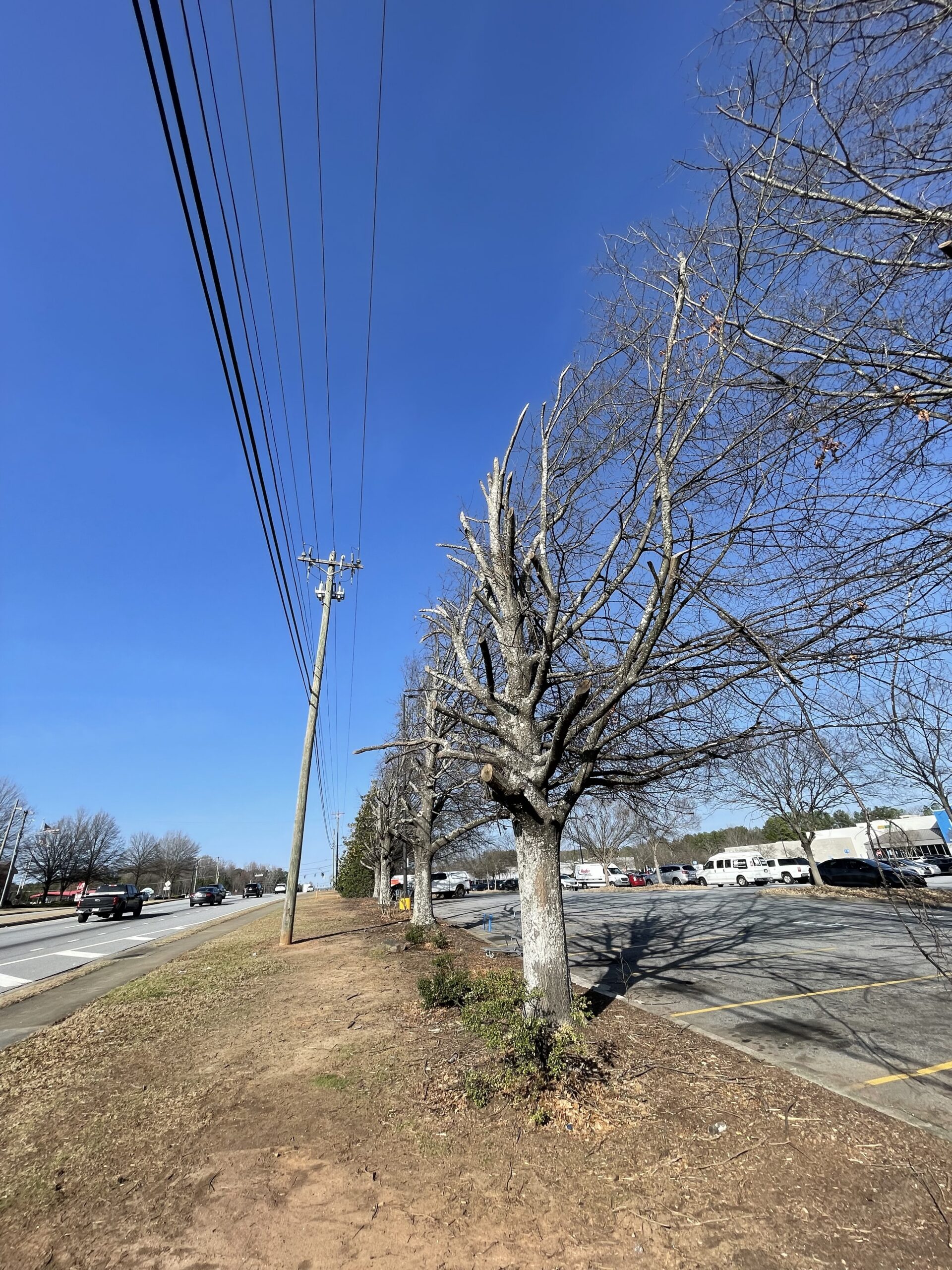
This site planning problem becomes a revolving door. Trees grow too big for the site, which means they start to decline due to restricted root growth. The trees are removed and usually aren’t replanted, unless that city has a tree ordinance. If they are replanted, the process begins again.
Thinking back to the Florida ISA course, I gained a few valuable tools that I hope more arborists and landscape professionals can pursue, too. The pruning prescription idea, along with all continuing education, is to improve professionalism for new and seasoned arborists. From there, ISA aims to establish a standardized, accountable, objectives-based pruning process. The approach teaches techniques that increase tree life expectancy, clearance, and reduces likelihood of failure. Lastly, and most importantly, it improves your ability as a professional to explain to property managers, tree owners, contractors, and crew why and how to prune.
Whenever I teach hands-on seminars for tree plantings, I always tell people to plant the tree as if it is going to live for 100 years. Will I still be around? Most definitely not. But if I can get our industry professionals to think this far into the future, I hope to encourage more foresight and thought to their landscape designs and site plans. If we can get people to plant the right trees, the right way, and in the right places, then we can allow the trees to mature to their largest size possible, to the benefit of all who enjoy the property.