
As we head into spring and summer, it’s time to get serious with your clients who love their gardens and ask, “Have you chosen your color palette yet?” I’m not talking about a Pantone Analysis of their home, but a healthy supply of some of the finest coneflowers in the marketplace.
Praised for their cheerful brightly colored flowers, coneflowers deserve a spot in your planting bed designs. These perennials serve a purpose in every season. Customers may choose to leave some spent blooms on the plants in the fall because their seeds provide winter food for birds. The dried seed heads also provide architectural interest in the winter, when everything else has died back flat to the ground.
You see, while you’ve been spending years coming up with 2 dozen ways to use Supertunia ‘Vista Bubblegum’ petunias or Firewitch Dianthus, Proven Winners has quietly built a collection of dazzling echinacea coneflowers that will shock you.
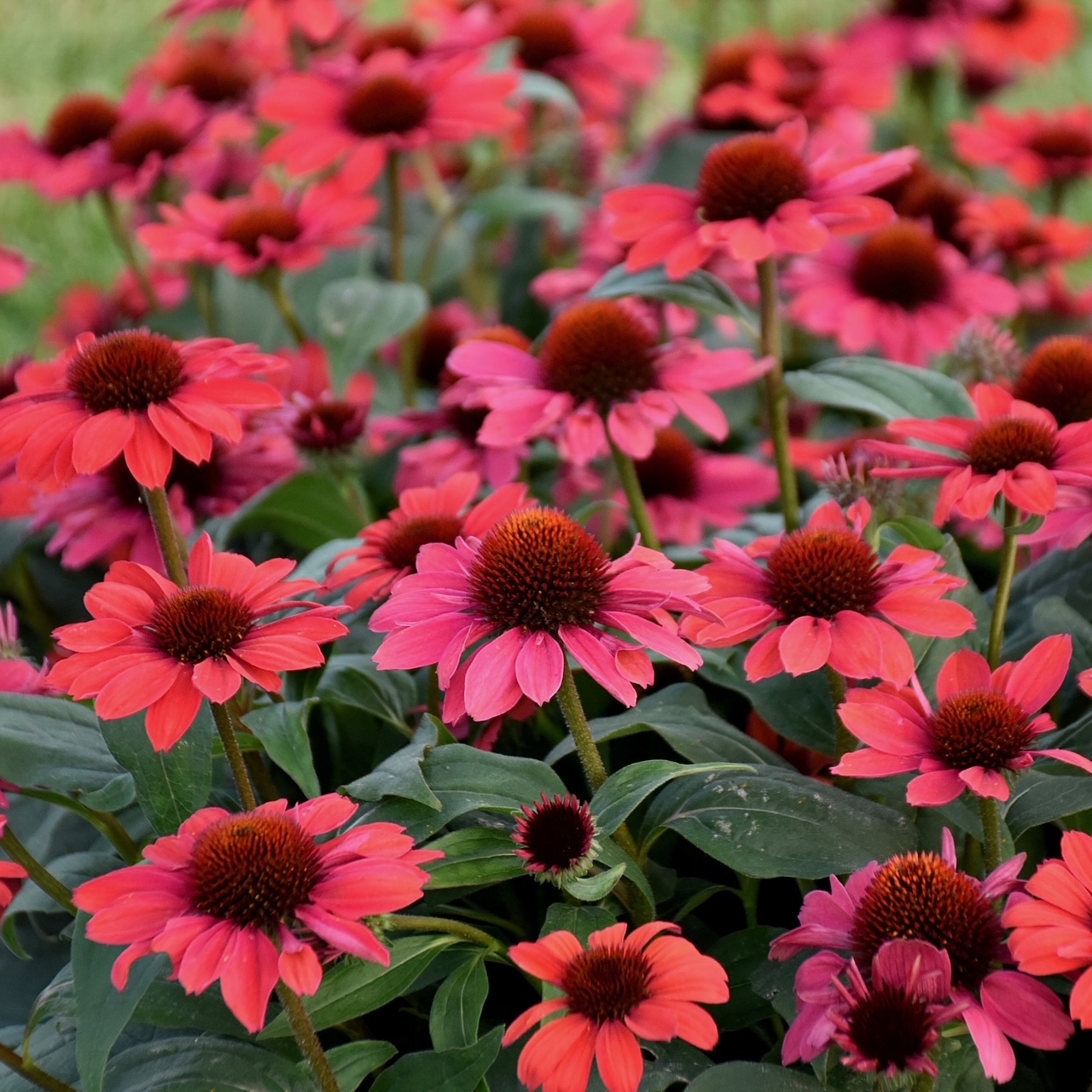
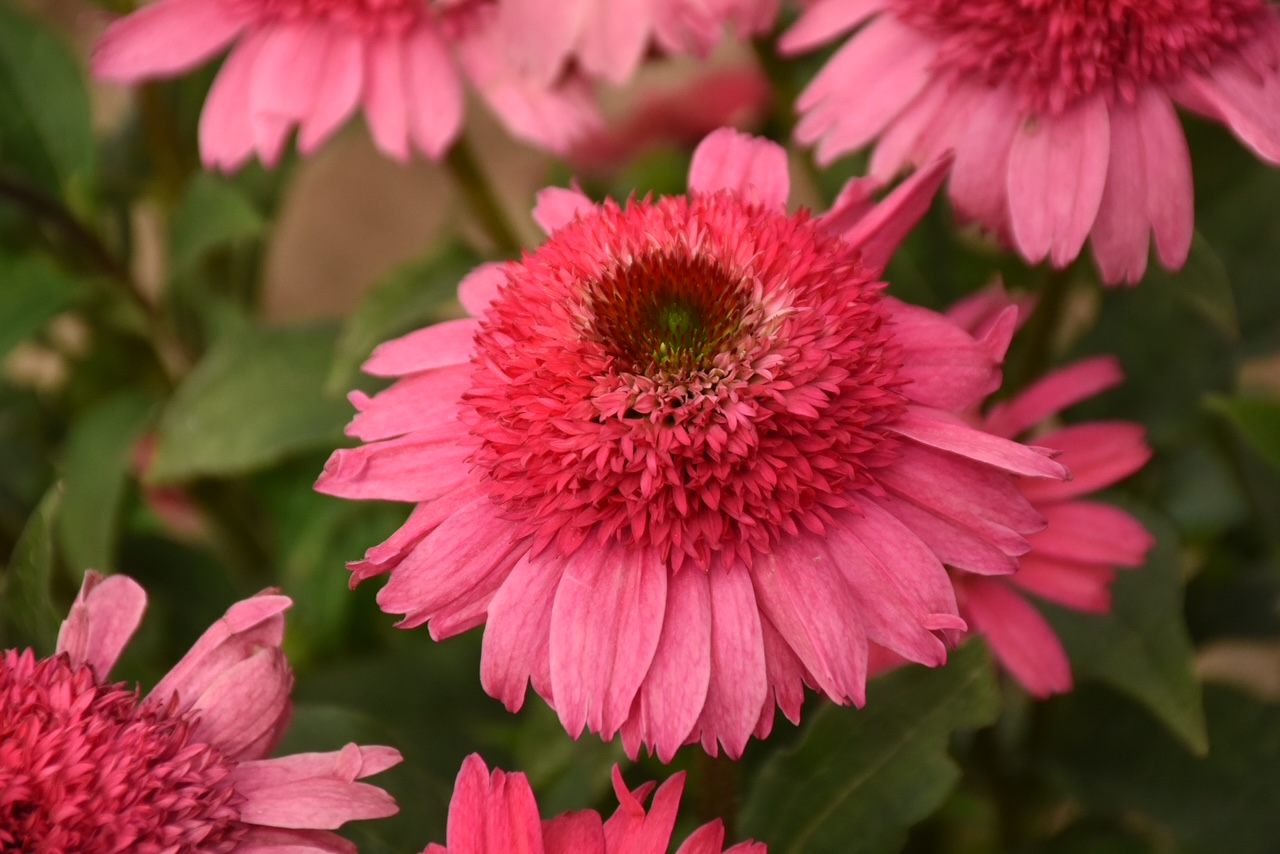
In the perennial plant world, while speaking of Echinacea (the coneflowers we’re talking about), I’ll use two branded terms, Color Coded and Double Coded.
COLOR CODED® Echinacea are produced vegetatively from tissue culture, so all plants will be identical in color and habit. These varieties were selected for their excellent basal branching, flower performance, large flower size, and horizontally held petals. Let your customers enjoy these as late summer interest for their landscape. The Color Coded collection has these things in common:
-
- Vibrant Colors: The series includes shades like cantaloupe, deep fuchsia (that’s pink), and tangerine.
-
- Usage: Ideal for mass plantings, perennial borders, containers, and cut flowers (due to their sturdy stems).
-
- Care: They require full to part sun and well-drained soil, are deer resistant, and offer high heat tolerance for south-facing or west-facing beds.
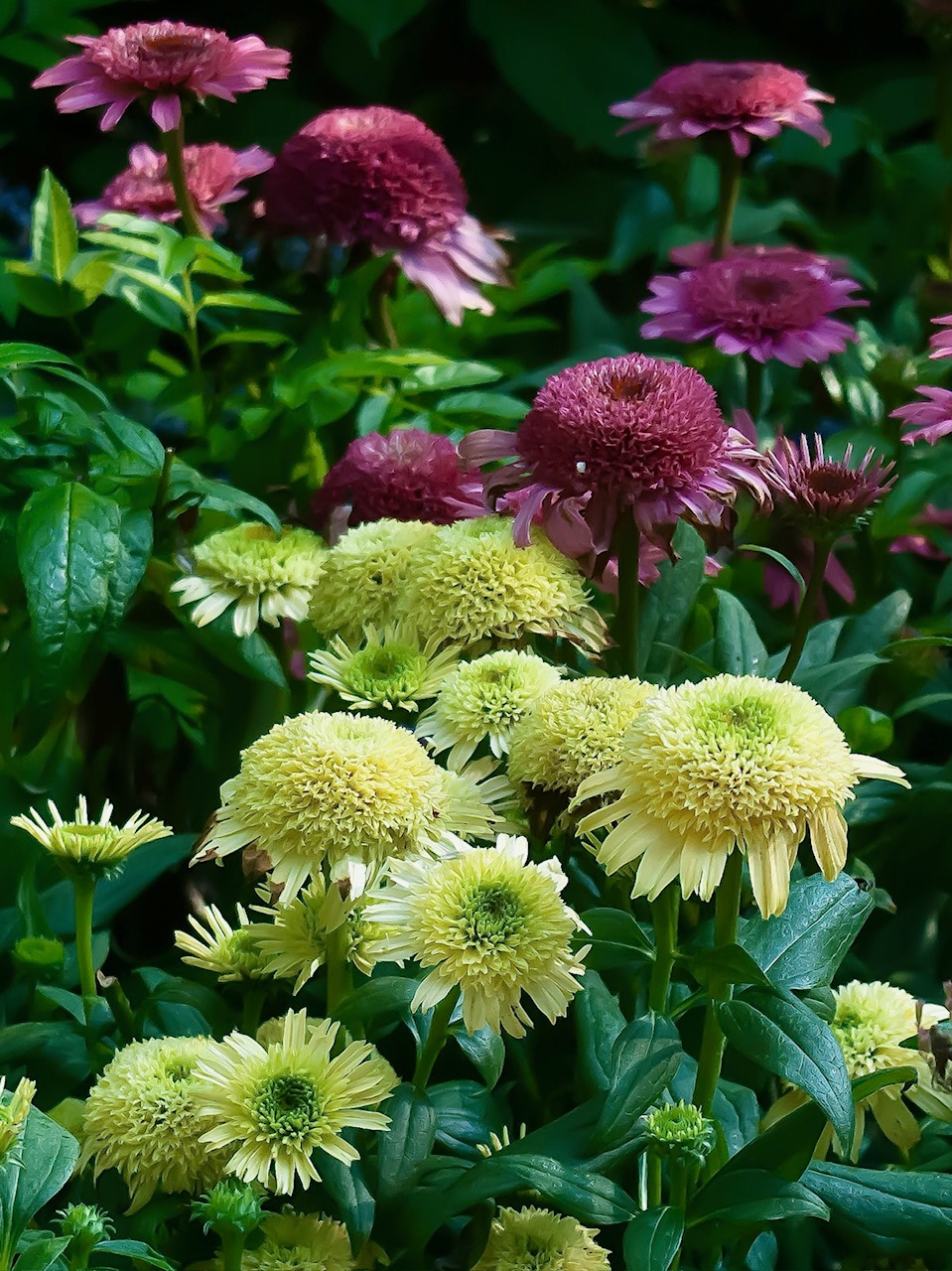
Double Coded® refers to a specific series of hybrids bred for having fully double, pom-pom like flowers instead of a single row of petals, while maintaining high performance. These plants are characterized by:
-
- Double Flowers: The central cone is replaced by an extra layer of petals.
- Performance Traits: They are specifically selected for being heat tolerant, deer-resistant, easy to grow, and bloom for a longer period of time.
- Compact Growth Habits: They often feature dense foliage and sturdy, mounded forms suitable for containers or garden borders.
Essentially, the term I’ll use throughout this article, “Double-Coded,” is a brand name indicating a double-flowered Echinacea that has been “coded” or specially selected for superior garden performance.
First, there are two new selections this spring, Color Coded ‘Knock ‘em Red’ and Double Coded ‘Cranberry Coral.’ I started growing these coneflowers in 2019, which means my Color Coded ‘Orange You Awesome’ clumps will be hitting year seven.
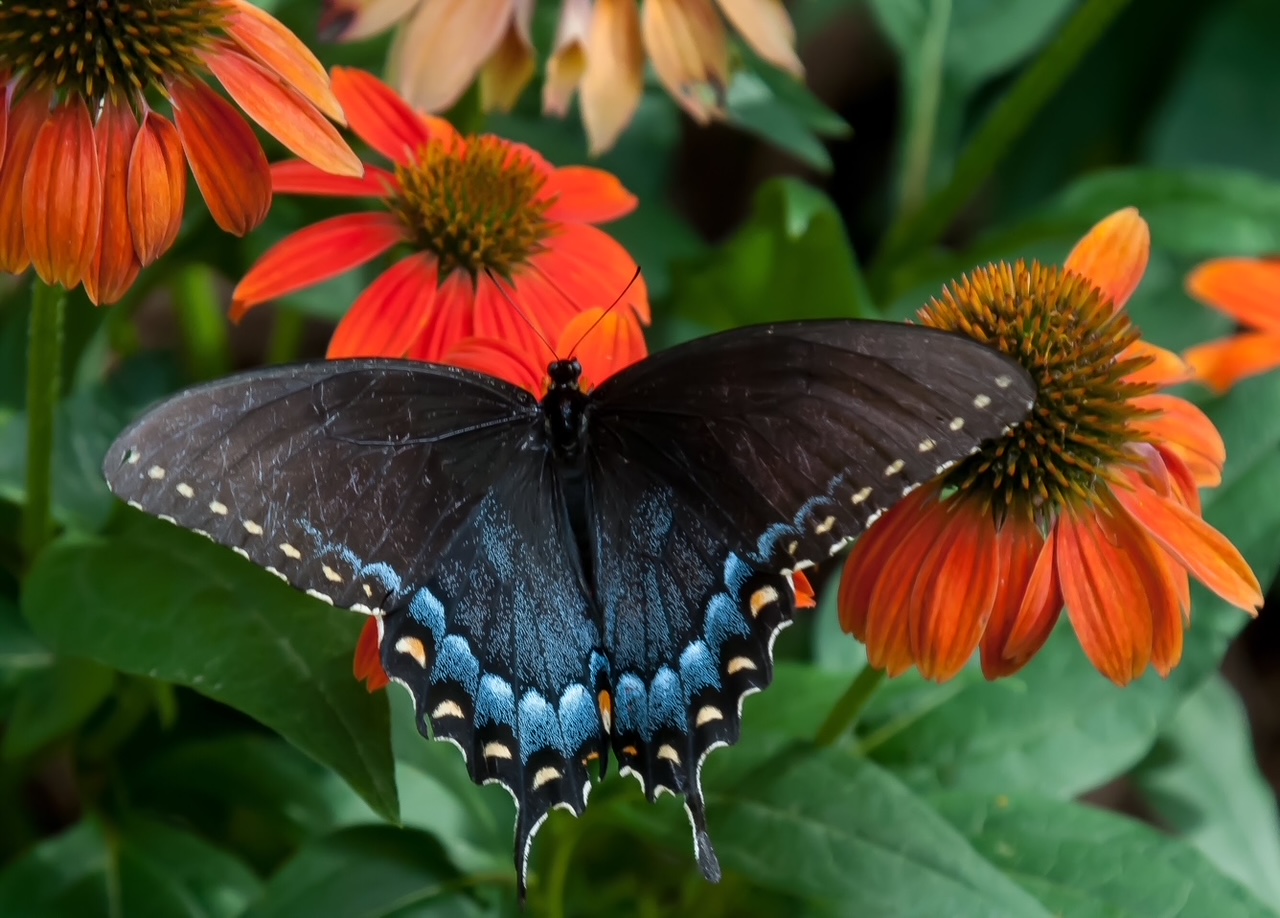
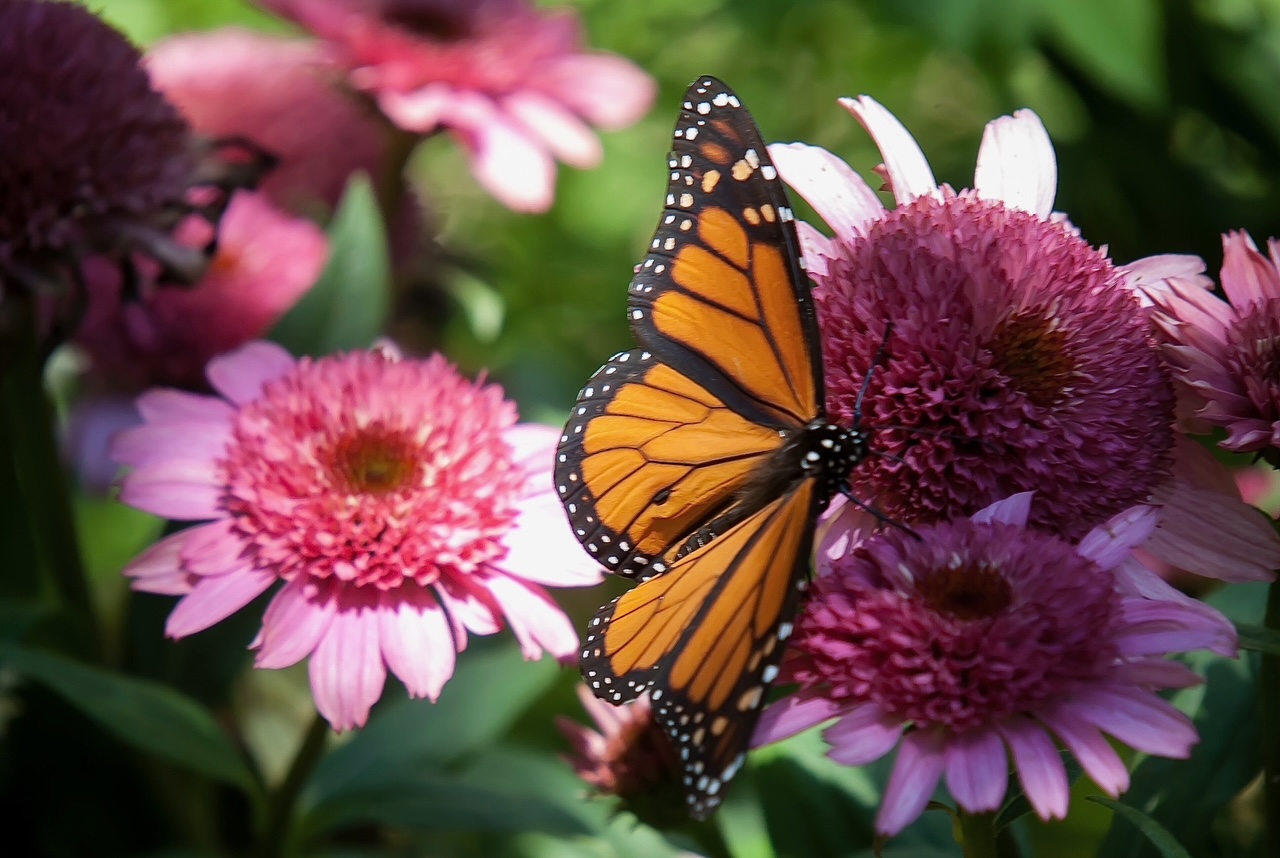
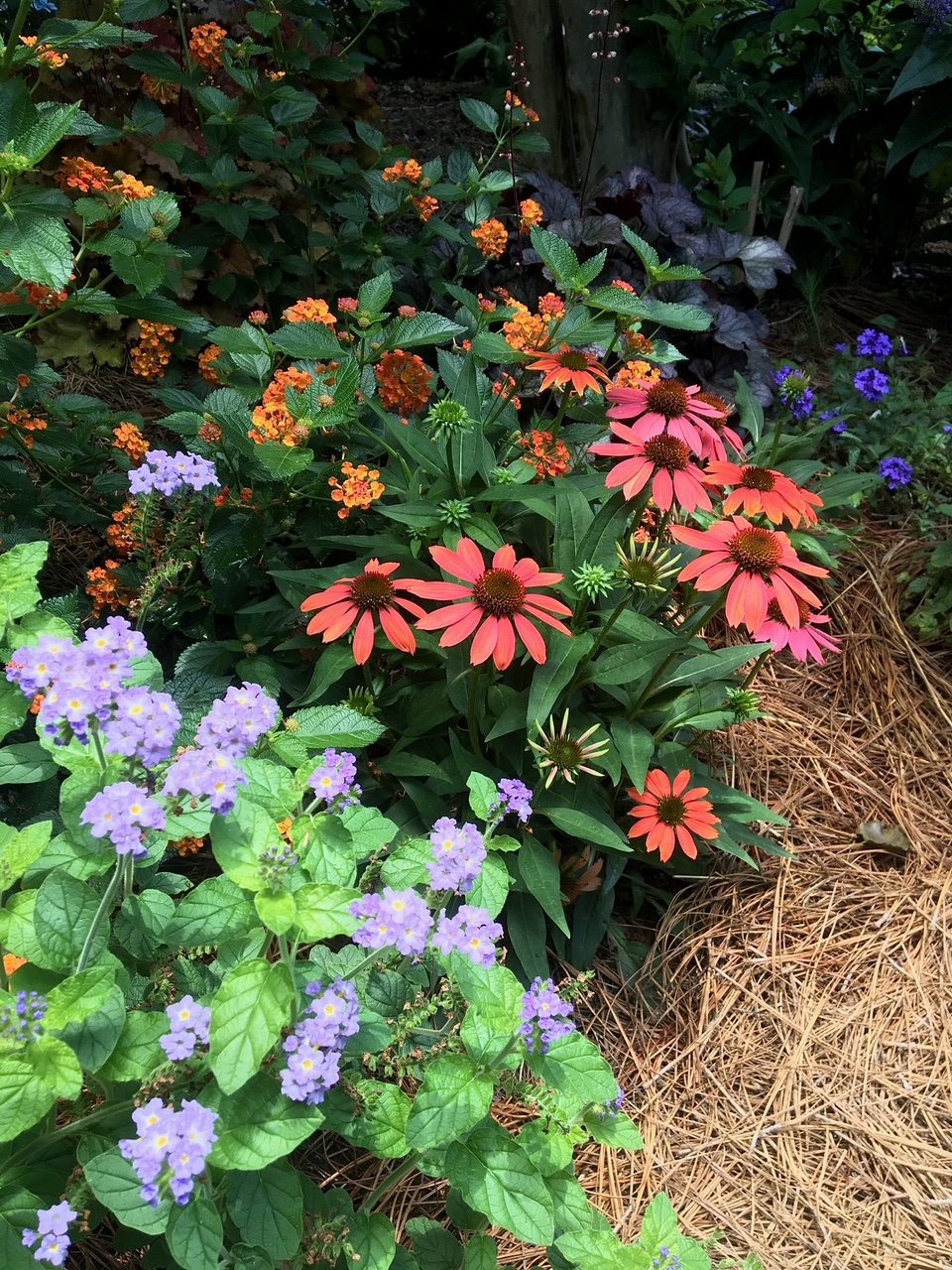
The Garden Guy (yes, I do speak about myself in the third person) is a lover of flaming oranges, and for that reason, ‘Orange You Awesome’ is my favorite. I still look at it with a sense of awe that a coneflower could be so electrifyingly beautiful. If that wasn’t enough, then consider that Swallowtails, Common Buckeye, Monarchs, and Gray Hairstreak butterflies have all been seen flocking to these coneflower plants.
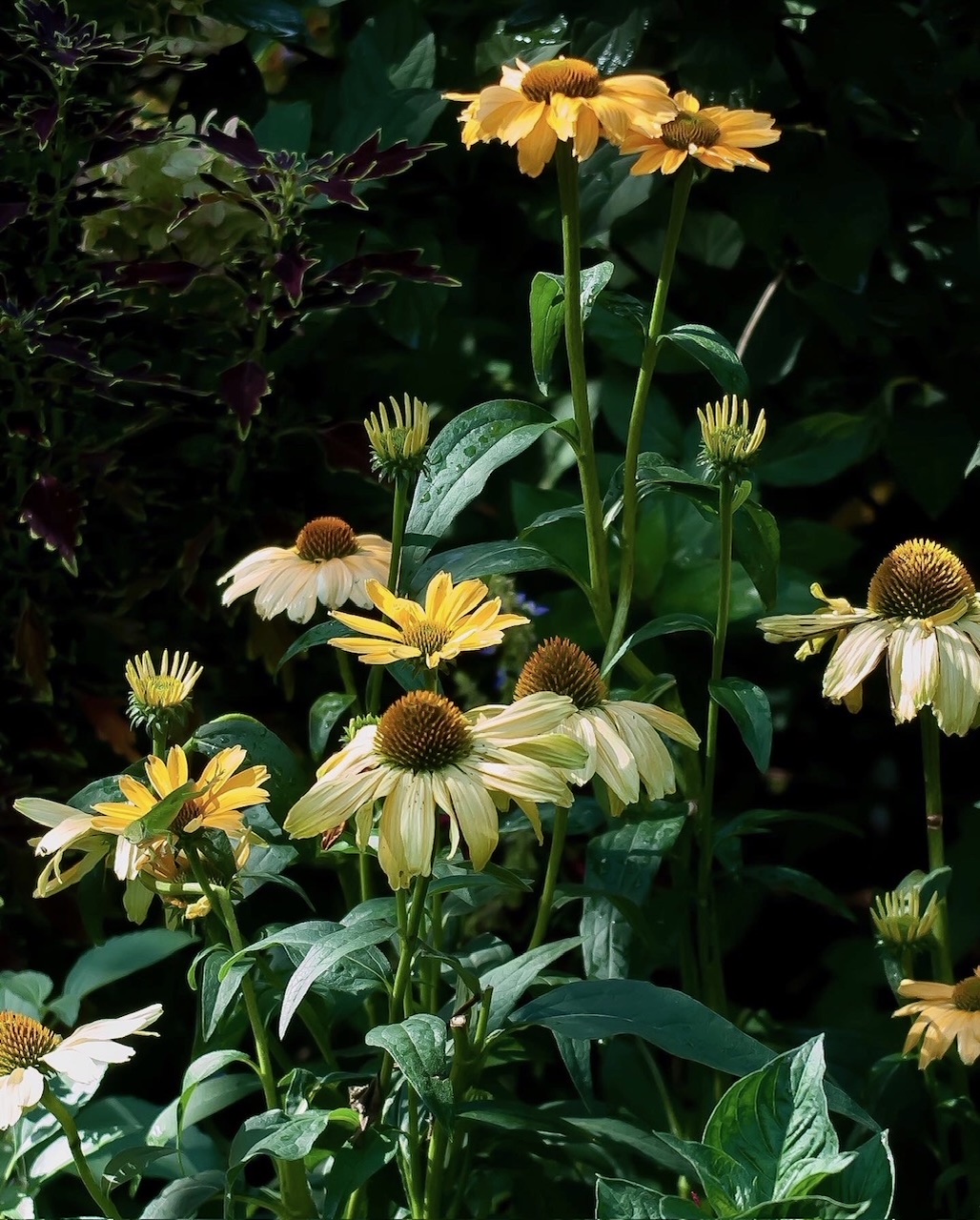
I urge you to consider ‘One in a Melon’ too. I love this one just as much as it is a large, flowered selection. At 5-5½" wide these are among the largest flowers in the collection. Petals are held horizontally and overlap for maximum display. The cantaloupe flower color is lighter than 'Orange You Awesome' and not a true yellow like 'Yellow My Darling'. Your first thought might even be that it's an ‘Indian Summer’ rudbeckia. Even the way the petal starts out gold colored and matures to pastel yellow is ever so striking.
The Color Coded ‘Price is White’ is pristine and it is a large, flowered variety in my garden.
The new ‘Knock ‘em Red’ is crimson red in color and is an upright grower reading about 24 inches in height with a 16–20-inch spread. ‘Frankly Scarlet’ is about the same size but the flower is scarlet red in color. Color Coded ‘Yellow My Darling’ and ‘The Fuchsia is Bright’ are the other two colors in this series.
The Double Coded series now has four selections thanks to the ‘Cranberry Coral’ addition this spring. Everything about this group has been pure magic. The first two were Double Coded ‘Butter Pecan’ and ‘Raspberry Beret.’ I planted mine with Rockin ‘Playin’ The Blues’ salvia.
There is another much overlooked trait of the Color Coded coneflowers, and that is the spent blooms and resulting seed pods. Sometime in late summer or early fall, the brightly colored American Goldfinch shows up for a tasty seed eating frenzy. This happens even though the same backyard may have four feeders chock full of seeds. The dilemma here, of course, is the choice between deadheading spent flowers or leaving for nature.
There is nothing like having a border geared toward pollinators, hummingbirds and songbirds, especially for homeowners who may be retired or working from home. Things to keep in mind are sunlight, fertile soil and choosing the right flowers for the right site. For example, the mail carrier may not appreciate the parade of insects as he or she is delivering envelopes to the mailbox.
Consider Color Coded and Double Coded coneflowers as legitimate additions for repeat summer color. For companion plantings, be sure to look at Luscious lantana, Meant to Bee agastache, Rockin’ salvia and Luminary tall garden phlox, plus ‘Meteor Shower’ verbena and ‘Truffula Pink’ gomphrena for your landscape plans this year.
Follow me on Facebook @NormanWinterTheGardenGuy for more photos and garden inspiration.
