Few plants embody the Southern garden quite like the azalea. Evergreen azaleas have long been a staple in home gardens, and each spring cultivated beauties brighten Georgia landscapes, from Savannah’s graceful squares to backyard borders.
The deciduous, native cousins to these showy shrubs are gaining attention among gardeners seeking fragrance, pollinator value and a more natural form.
University of Georgia Cooperative Extension specialists say gardeners succeed in Georgia’s varied climate by understanding the differences between evergreen and native azaleas and how to plant and care for them.
Evergreen and native azaleas
Evergreen azaleas, many bred from Asian species, retain their foliage year-round and grow in low, dense mounds. They offer a wide range of colors and flower forms, from single-petal blooms to ruffled doubles. Hybrid groups such as Kurume, Southern Indian and Encore azaleas dominate many Georgia landscapes.
Native azaleas, by contrast, are deciduous. They lose their leaves in fall and typically grow taller and more open, sometimes reaching 15 feet. Their tubular flowers, often fragrant and appearing in shades of white, pink, orange and red, bloom in staggered waves from early spring into summer.
“Planting both evergreen and native types is one of the best ways to enjoy azalea color for months,” said Bodie Pennisi, a UGA Extension horticulturist and author of “Selecting and Growing Azaleas.”
By combining species and hybrids with different bloom times, gardeners can have azaleas flowering from March through October.
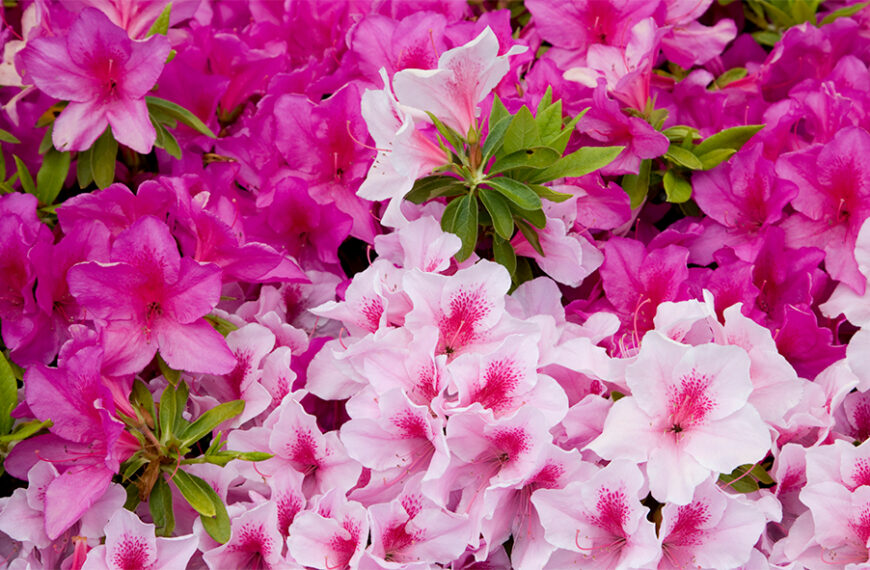
Azaleas are a defining feature of Southern gardens, bringing vibrant spring color to landscapes across Georgia. With the right site conditions and care, both evergreen and native azaleas can thrive in home landscapes for decades.
Keys to success in Georgia gardens
Azaleas belong to the heath family, along with blueberries and mountain laurel, and prefer acidic soils. They grow best in soil with a pH between 4.5 and 6.0 that is rich in organic matter.
Moist, well-drained soil is essential, as azaleas do not tolerate standing water. Amending planting areas with pine bark or leaf compost improves both drainage and acidity.
Thriving in partial shade, filtered morning sun with some cover in the afternoon is ideal. Too much sun can scorch leaves, while excessive shade can reduce flowering.
Before planting, loosen the root ball and set shrubs slightly above ground level to encourage drainage. Water thoroughly at planting and mulch with pine straw or shredded bark to conserve moisture. Because azaleas are shallow-rooted, they dry out quickly. Check soil moisture regularly, water deeply as needed, and fertilize lightly after bloom with a slow-release or azalea-specific fertilizer.
Prune immediately after flowering to shape plants or remove old wood. Avoid heavy pruning later in summer, which can remove the following year’s flower buds.
Azaleas are not without challenges. Evergreen types are particularly susceptible to azalea lace bugs, which cause yellow stippling on leaves.
Diseases such as petal blight and root rot can also occur, especially in poorly drained sites or where overhead irrigation is used. Selecting appropriate species and practicing good cultural care are the most effective defenses.
Georgia’s climate varies widely from the mountains to the coast. Gardeners should check their U.S. Department of Agriculture hardiness zone and consult their local UGA Extension office before selecting plants.
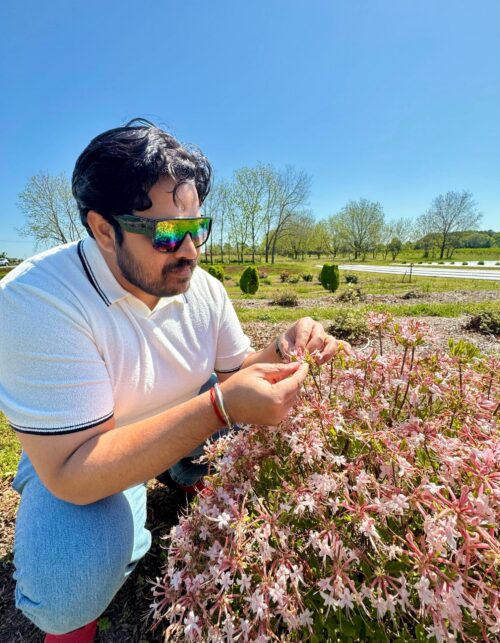
Research spotlight: breeding the future of azaleas
On the UGA Griffin campus, Lav Yadav, an assistant professor of ornamental horticulture and bioinformatics, leads research on the genetics and breeding of ornamentals, including azaleas. His work blends traditional horticulture with advanced bioinformatics to better understand the genetic traits that shape plant size, flowering and resilience.
During his doctoral research, Yadav studied the Piedmont azalea and identified a gene associated with dwarf growth. Developing compact forms of native azaleas could make these species more practical for smaller landscapes.
“When gardeners plant azaleas, they often choose what they see in catalogs or older landscapes,” Yadav said. “But there’s extraordinary, untapped variation in our native species — variation in growth form, bloom timing and tolerance to Georgia’s heat.”
By integrating genetics, breeding and conservation, Yadav’s work builds on decades of UGA azalea research while driving toward new possibilities.
A living tradition
Whether gardeners choose evergreen hybrids or tall, fragrant native species, azaleas remain one of the South’s most recognizable plants. With thoughtful site selection, attentive care and continued research support, Georgia gardeners can keep this tradition blooming across the state.