“The most destructive force in the world is the raindrop!” While applying for an Erosion Sediment Control Certification, the instructor started with that statement. Apparently, lots of folks agree…
“While many forces can cause destruction, moving water is widely considered the most destructive force on Earth. It erodes land, causes floods, and its sheer power alters landscapes over time.” (Science Atlas)
Water can destroy foundations, rot wooden structures, create mold and mildew problems. Outdoor spaces such as lawns and sports fields are unusable, even dangerous when too much water is present. Let water sit on our typical landscape plantings even for a few days and see what happens.
So…it is easy to see why the conventional approach to stormwater has been ‘this is a problem. Let’s make it go away.’ Sending all stormwater, sewage and industrial pollutants into the nearest river or stream has been standard operating procedure for decades. It solved the immediate problem but did enormous long-term damage downstream.
Clearly, it’s time for a change! Sustainable stormwater management starts off by celebrating its goodness and importance. And, words matter! As mentioned, the name “stormwater” is perceived as something to be dealt with so people can use the space. How about Rainwater instead of Stormwater…a much more affable, environmentally friendly connotation. By the way, did you know the delicious ocean fish Orange Rougie was originally called Slimehead! Yes, words do matter!
The authors of “Artful Rainwater Design” do a great job of explaining what a sustainable approach means:
“We want to manage rain in ways that protect and provide for human and natural systems. Sustainable means we emulate natural hydrological systems, focusing on the small storm runoff, not just the 10 year floods. We concentrate on ‘first flush’ and do everything we can on site. It means not expecting local or regional entities to solve this problem. Clearly, this approach celebrates rain!”
People buy Green Industry products and services. Therefore, our actions need to be human-centered as well as eco-smart.
Key point: If we want sustainable practices to be lasting, they must be acceptable…no, beautiful to the folks who use them on a daily basis. If these designs are considered ugly, scruffy, and unsafe, they won’t last. There must be a sense of meaning, a sense of pride in these efforts. This means focusing on more than just capturing and using the water that hits the site. Truly sustainable spaces must be functional on many different levels delivering multiple benefits to multiple entities. There should be no apology for making these designs delightfully people-centered as well as good for the planet.
How do we do it? The simple answer is Slow it down, spread it out, soak it in…and celebrate the process. This means implementing multiple, small, redundant systems that won’t fail and the best place to start is where the raindrop lands…such as a roof.
A super way to capture and use rainwater is with rain barrels. They collect/store runoff from rooftops for irrigation or other non-potable uses. This reduces the volume of rainwater entering drainage systems and conserves water. A smart addition is a first flush diverter. This device channels the initial flow of rainwater away from the barrel to improve water quality by removing roof debris and contaminants. Also known as a roof washer or stand pipe and designed to capture/discard the first portion of rainfall often containing the most dust, leaves, bird droppings, etc. and other debris accumulated on the roof since the last rain. Rain barrels are utilitarian but need to look like they belong and match the architecture. A wooden barrel for a ranch or terra cotta for brick is perfect. Not interested in a visible container? Consider a cistern or water bladder.
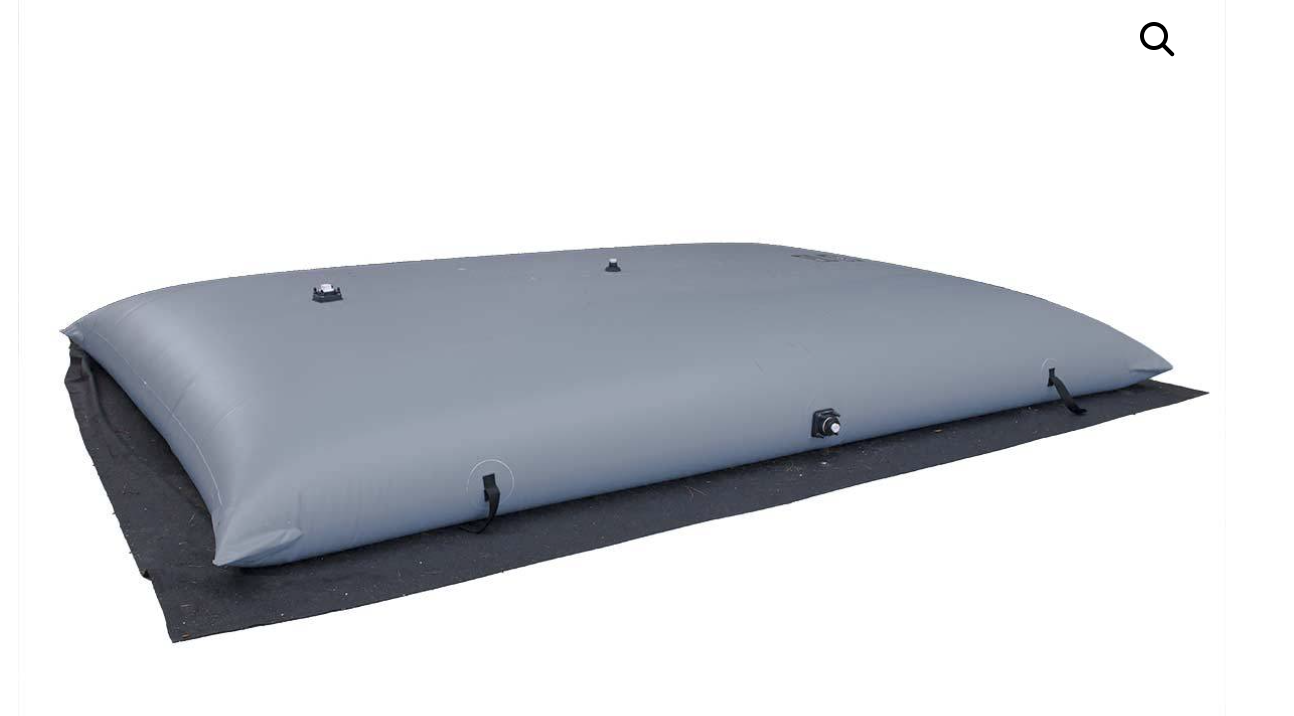
A water bladder.
These units can store hundreds if even thousands of gallons of water. They’re easy ways to create sub-surface water storage reservoirs. I’ve actually seen them in crawl spaces, greenhouses and storage buildings. The simplest way to purchase is a kit that comes with a EPDM liner/bladder, underlayment, and connectors to your gutters. A variety of sizes allow you flexibility to choose the reservoir size that best suits your application.
The biggest runoff problems exist when rainwater hits a solid surface such as concrete or asphalt. Consider permeable concrete, pavers, gravel or some type of infiltration surface. Pervious concrete is much like a Rice Krispy Square! It’s solid like regular concrete but allows water to infiltrate directly into the soil beneath and helps lower the temperature of the surrounding area. The recipe for this material is Portland cement and pea-size gravel and no sand. This creates a porous material that allows significant infiltration. Key point: you must keep it clean to keep it working. Otherwise, dirt and debris clog up the spaces and render it useless.
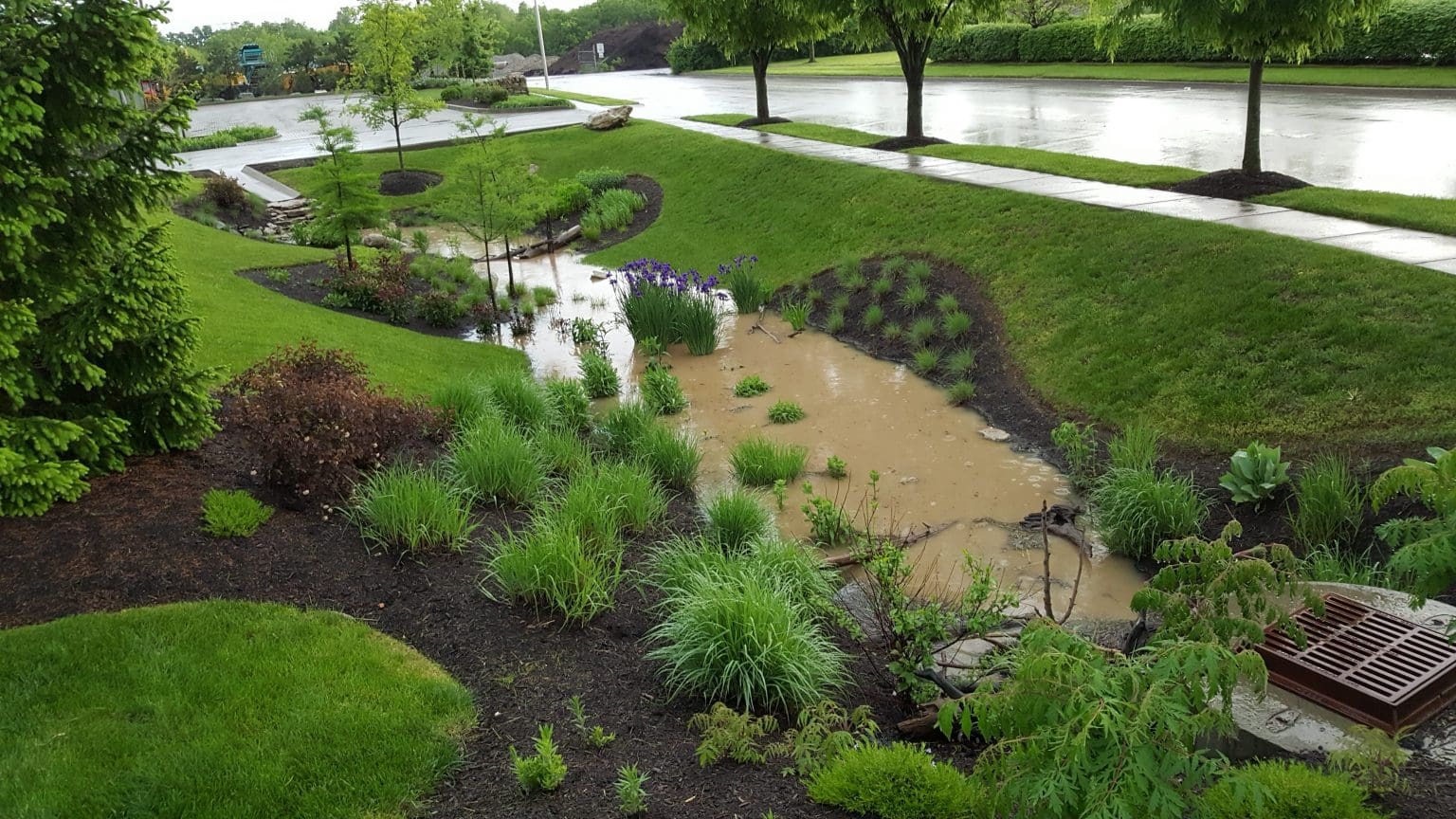
A bioswale in action.
Plants do an incredible job of soaking up the rainwater and slowing it down. Consider a bioswale. These are shallow, vegetated channels that slow and filter rainwater flow. They work particularly well with a slope and/or want to slow the water down. Because moisture levels vary from bottom to top, lots of different plants can be used. Focus on species that can withstand fluctuating moisture levels, including occasional flooding and dry periods. Native plants are highly recommended because they’re adapted to local climate and soil conditions, require less maintenance, resist pests, and provide habitat for wildlife. Consider soil type, sunlight exposure, and the specific hydrology of your site to ensure plant survival and functionality.
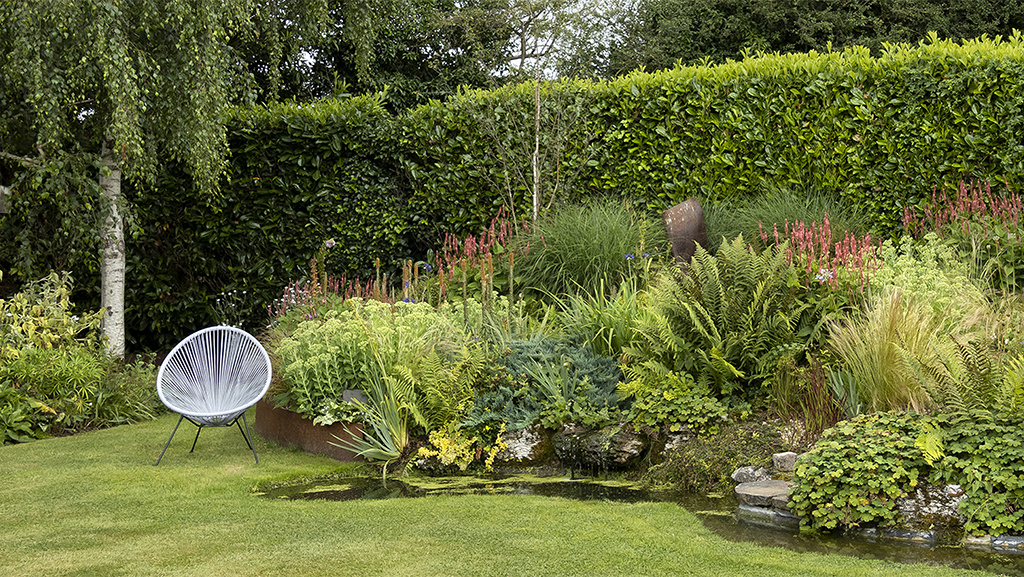
Make rainwater management an attractive choice for your landscape clients.
Let’s not forget rain gardens! These shallow, planted depressions capture and infiltrate rainwater from roofs, driveways and landscaped areas. They do a fabulous job of filtering pollutants like fertilizers, pesticides and sediment using vegetation and layers of soil. They’re really a big sponge that reduces runoff and recharges groundwater.
Consider them as the final destination of that raindrop after other redundant components have been added. The plant material is pretty much the same as for a bioswale.
Here are some great choices that are stunning and tough!
Grasses lead the list due to their deep, fibrous root systems. This prevents erosion and enhances water filtration. The ones below all thrive in wet to moderately dry soils and offer aesthetic appeal with fine texture, graceful foliage and seedheads.
- Switchgrass (Panicum virgatum)
- Big Bluestem (Andropogon gerardii)
- Prairie Dropseed (Sporobolus heterolepis)
- Little Bluestem (Schizachyrium scoparium)
- Virginia Wild Rye (Elymus virginicus)
- Indian Grass (Sorghastrum nutans)
Next are wildflowers and herbaceous perennials. Adding flowering plants improves pollinator habitat and visual appeal. These recommended species tolerate wet soils and provide multiple seasons of interest while supporting local wildlife.
- Purple Coneflower (Echinacea purpurea)
- Black-eyed Susan (Rudbeckia hirta)
- New England Aster (Symphyotrichum novae-angliae)
- Swamp Milkweed (Asclepias incarnata)
- Joe Pye Weed (Eupatorium maculatum)
- Tall Ironweed (Vernonia altissima)
- Golden Alexanders (Zizia aurea)
Large shrubs and trees can add enormous interest, scale, wildlife habitat/food and shade to cool the ground below.
- Rose Mallow (Hibiscus moscheutos)
- Buttonbush (Cephalantus occidentalis)
- Winterberry (Ilex verticillata)
- Arrowwood Viburnum (Viburnum dentatum)
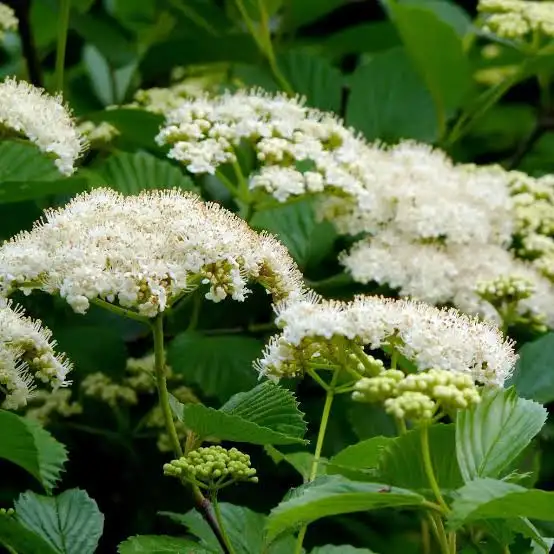
Arrowwood viburnum
- Dogwood (Cornus spp.)
- Swamp White Oak (Quercus bicolor)
- Riverbirch (Betula nigra)
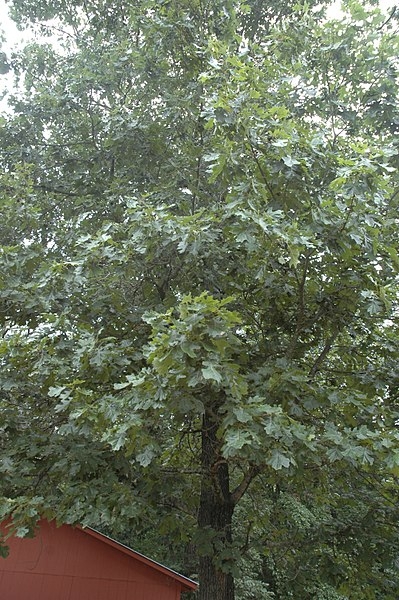
Swamp White Oak
So, let’s celebrate rainwater versus getting rid of stormwater! Combining these strategies can significantly mitigate flooding, reduce pollution and support local ecosystems…in a beautiful, sustainable way.