Cold damage to ornamental plants is a recurring challenge for Georgia landscapers each winter. While injury from low temperatures is often first noticed as aesthetic damage, cold stress can have lasting effects on plant health, establishment, and long-term performance in the landscape. Understanding how plants acclimate to cold, the types of cold injury that occur, and strategies to reduce damage can help landscapers better protect ornamental plantings during the winter season.
During the summer growing season, ornamental plants are actively producing new growth. This tender growth is highly susceptible to frost and freezing temperatures. As day-length shortens and temperatures gradually cool in late summer and fall, many plants undergo a process known as cold acclimation. Through this natural process, plants prepare for winter by slowing growth, hardening tissues, and becoming more tolerant to cold temperatures. Plants that are well acclimated or are cold hardy are far less likely to suffer severe injury when winter temperatures arrive.
Cold injury can affect nearly every part of an ornamental plant including flowers and buds, leaves, stems, roots, and trunks. One of the most damaging scenarios occurs during a rapid freeze. When temperatures drop suddenly, ice can form inside plant cells particularly in leaves and young stems. This internal ice formation can lead to plant tissue death. Visible symptoms often appear as browning or mushy tissue once temperatures warm.
Windy winter conditions can further compound cold damage. Cold and dry winds increase moisture loss from plant tissues resulting in desiccation of the plant tissue. This is commonly seen as leaf-tip burn or marginal browning, especially on broadleaf and needled evergreens. In severe cases, entire leaves or needles may turn brown and drop. Evergreen species such as hollies and boxwoods are particularly prone to this type of winter injury in exposed sites.
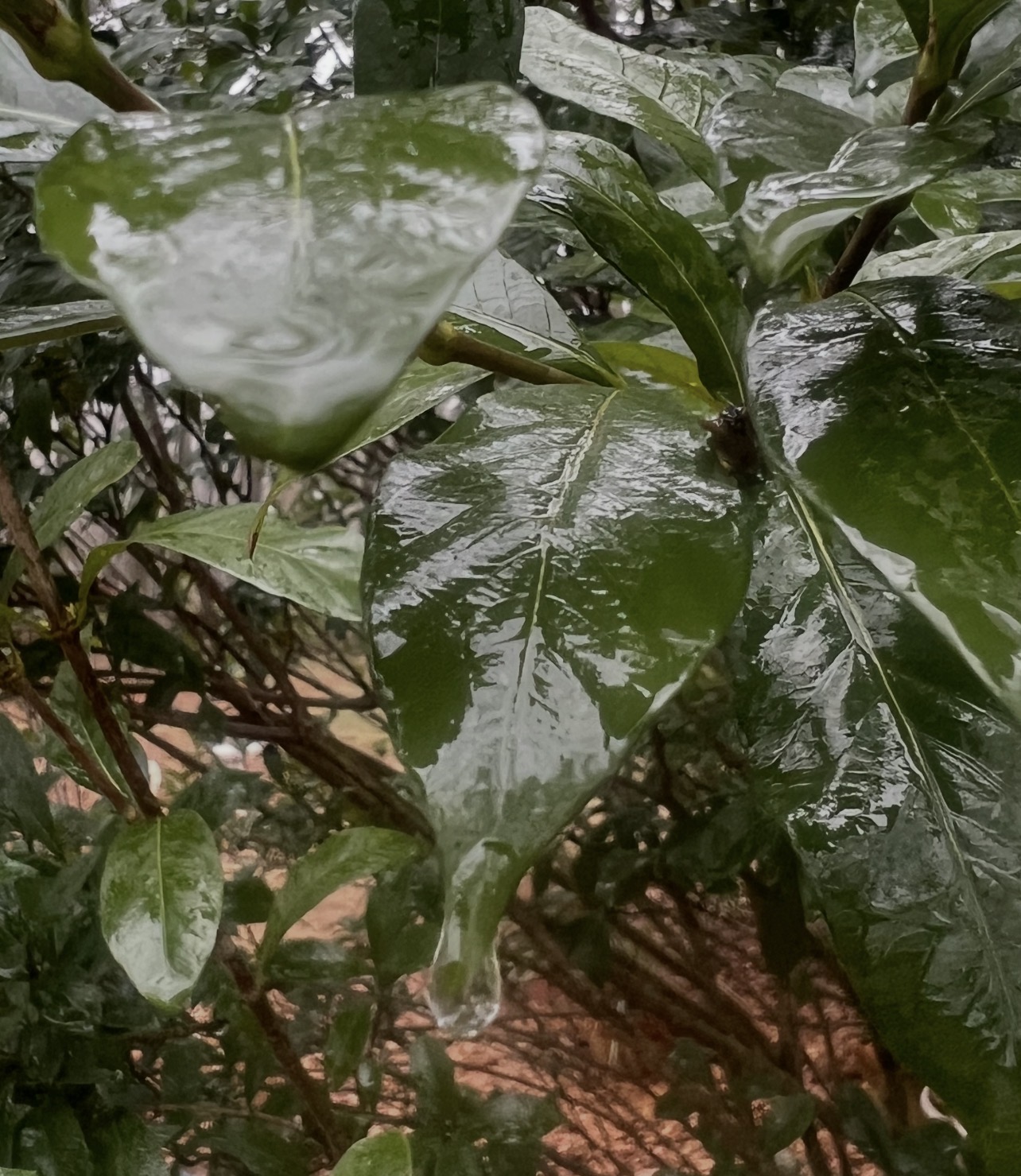
Root injury from cold temperatures is another concern though it often goes unnoticed until spring. Cold-damaged roots may fail to function properly and impacted plants may leaf out poorly or not at all as temperatures rise in spring. Temperature fluctuations during winter can also damage flower and leaf buds. Bud injury may not be apparent until the following growing season when plants produce fewer blooms or fail to flower altogether and this can be seen in plants including camelias, rhododendrons, and azaleas. Additionally, rapid temperature drops can cause bark splitting and the formation of frost cankers on woody plants. These injuries disrupt the movement of water and nutrients ultimately weakening the plant and increasing susceptibility to pests, diseases, and further environmental stress.
The following recommendations are preventative cold injury strategies that can be used:
- Plant & Site Selection: Choose plants that are well adapted to Georgia’s climate and appropriate USDA cold-hardiness zones. Proper site selection is critical and avoid low-lying areas and north- or northwest-facing exposures when possible. Take advantage of warmer microclimates can be an important planting and establishment strategy, selecting south-facing locations, areas near buildings, or sites with canopy cover to improve winter survival and provide added protection from weather extremes.
- Nutrition & Seasonal Maintenance: Maintaining overall plant health is essential for improving tolerance to cold stress. Fertilization should be guided by soil test results and applied at appropriate times of the year, avoiding high-nitrogen fertilizers in late summer and fall that can stimulate tender growth vulnerable to cold damage. Pruning should also be avoided during late summer as it encourages new growth susceptible to winter injury. Instead, most ornamentals should be pruned in late winter or early spring just before new growth begins. When transplanting is necessary, early fall is the preferred time as this allows roots to establish before winter conditions arrive.
- Shade, Wind & Structural Protection: Providing shade and wind protection helps reduce cold injury during winter weather. Canopy cover limits radiant heat loss on clear, cold nights while partial shade helps reduce winter desiccation caused by sun and wind exposure. Locating and planting near windbreaks such as fences, buildings, evergreen plantings, or temporary barriers can significantly reduce plant damage from cold and dry winds. These protective structures are most effective when placed on the northwest side of the landscape where winter winds can originate.
- Protecting Containers & Vulnerable Plants: Plants grown in containers are more susceptible to cold damage because their roots are exposed above ground. When possible, containers should be moved into garages, sheds, or greenhouses for protection. If relocation is not an option, grouping containers together and insulating them with mulch or wraps can help reduce heat loss. Mulching in-ground plants not only protects roots but conserves soil moisture. During hard freezes, plants may be covered with fabric materials such as sheets or frost cloth but plastic should not be placed directly on plants. Covers should be removed during the day to prevent overheating.
- Water Management Before Freezes: Proper moisture levels are important even during winter. Plants should be adequately watered before a freeze as moist soil helps reduce cold injury. Applying mulch further conserves soil moisture and helps maintain more stable soil temperatures.
- Assessing & Managing Cold Damage: Cold injury symptoms may not appear immediately and can take days or weeks to become visible. Bud damage can be evaluated by cutting buds open and checking for discoloration while stem injury can be identified by examining the cambium layer beneath the bark as healthy stem and bud tissue appears green whereas damaged tissue turns brown or black. Pruning should be delayed until the risk of freezing temperatures has passed to avoid removing living tissue.
By recognizing the causes and symptoms of cold damage, Georgia landscapers can make more informed decisions about plant selection, site placement, and winter protection strategies. Proper plant acclimation, sustainable landscape design, and preventative measures can go a long way in reducing and limiting winter injury and in maintaining healthy and resilient landscapes year after year.